
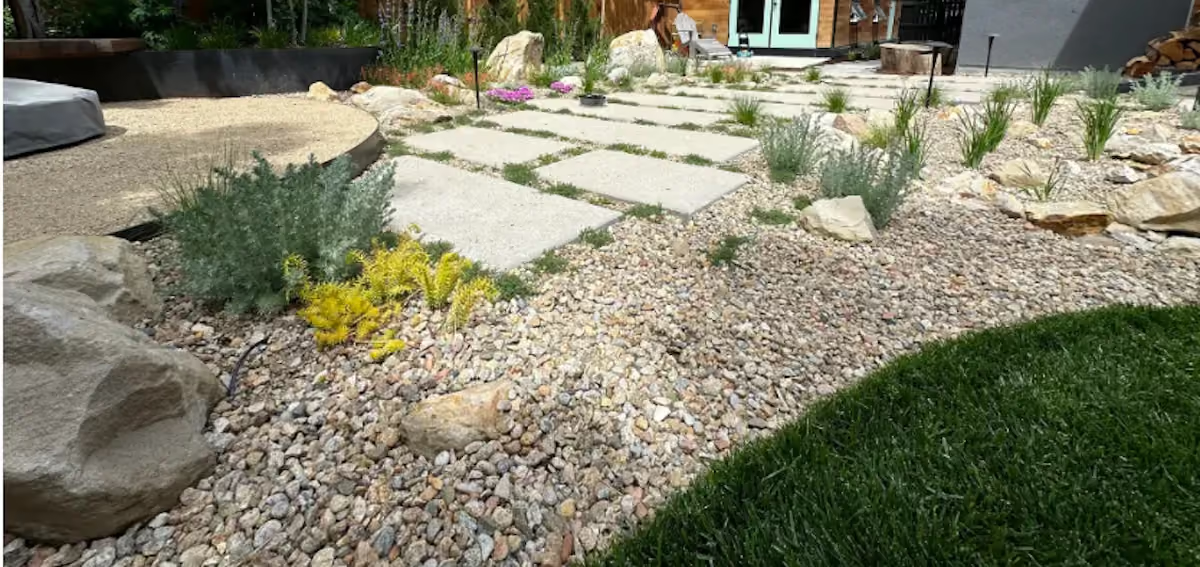

Discover 2026 landscape design trends for Boulder County. From fire-smart plantings to patio culture, learn what's shaping Front Range outdoor spaces now.


Lorem ipsum dolor sit amet, consectetur adipiscing elit. Suspendisse varius enim in eros elementum tristique. Duis cursus, mi quis viverra ornare, eros dolor interdum nulla, ut commodo diam libero vitae erat. Aenean faucibus nibh et justo cursus id rutrum lorem imperdiet. Nunc ut sem vitae risus tristique posuere.
The landscape design conversation has shifted. After years of chasing instant impact and magazine-worthy moments, homeowners across the Front Range are asking different questions. How will this look in ten years? Can my yard actually reduce my water bill? Will this space work for Tuesday evenings, not just Saturday parties?
These questions are reshaping what we design and build at Green Landscape Solutions. The trends gaining momentum in 2026 reflect a maturity in how people think about their outdoor spaces. Less about impressing neighbors. More about living well.
Here's what we're seeing across Boulder, Louisville, Lafayette, Erie, Firestone, Frederick,Thornton, and Broomfield, and how these national movements translate to Colorado's specific conditions.
Industry experts have coined this term to describe a fundamental shift in how people use outdoor hardscape. Patios are no longer just surfaces for furniture. They're becoming immersive environments layered with plants, textures, scents, and personality.
The movement involves filling containers with shrubs and perennials rather than just seasonal annuals. Adding vertical interest through trellises and climbing plants. Softening hard edges with ornamental grasses that catch light and move in the breeze. Creating complete garden experiences in relatively compact footprints.
For Colorado properties, patio culture makes particular sense. Our intense sunshine means containers dry quickly, but it also means we can grow an impressive range of plants outdoors. Our cool evenings extend patio season into fall when other regions have retreated inside. And our typically modest lot sizes reward the vertical thinking and layered approach this trend encourages.
Consider your patio not as a static outdoor room but as a garden that happens to have good seating. That mental shift opens design possibilities that simple furniture arrangements never could.
Clean edges are returning to landscape design. After years of relaxed, naturalistic plantings that blended boundaries, designers report renewed interest in defined structure. Hedges creating outdoor rooms. Borders framing pathways. Planted edges giving rhythm and order to garden spaces.
This isn't a return to rigid formality. The new approach combines structure with ecological purpose. Edible hedges featuring rosemary, blueberries, or dwarf fruit trees. Native shrub borders supporting pollinators while defining space. Low boxwood alternatives that provide formality without the water demands.
The practical appeal in Colorado lies in how borders address our wind. Well-placed hedges create sheltered microclimates that extend what you can grow and how comfortably you can sit outside. They screen unattractive views without the maintenance of fencing. And they provide winter structure when perennials have died back.
Northern Water now offers free landscape templates specifically designed for Boulder County that incorporate this structured approach while remaining water-wise and fire-smart. These resources acknowledge that beauty and responsibility can coexist.
After several seasons dominated by muted palettes and restrained planting, color is back. Designers report homeowners requesting gardens that feel "immersive and alive." Rich jewel tones. Layered perennial beds. Combinations that provide visual impact from spring through fall.
This doesn't mean abandoning sophistication. The approach involves intentional color selection rather than random abundance. Choosing a cohesive palette then planting deeply within it. Layering heights and bloom times so color moves through the garden across seasons.
Colorado’s intense light actually amplifies color impact. The same plantings that might read as garish in overcast climates glow beautifully under our bright sunshine. Our dry air keeps colors saturated rather than faded. We can embrace bolder choices than gardeners in more humid regions.
The key is selecting plants that deliver color without demanding excessive water. Purple coneflower, black-eyed Susan, blanket flower, Russian sage, and autumn joy sedum provide months of bloom while thriving in our conditions. Color and sustainability aren't opposites.
Smart technology is becoming standard rather than exceptional in 2026 landscapes. The emphasis has moved beyond novelty toward practical benefit: making informed decisions based on actual data rather than guessing.
Smart irrigation controllers that adjust to weather forecasts and soil moisture readings can reduce water waste significantly. They're particularly valuable in Colorado's variable spring and fall weather, when manual scheduling either overwater or underwater unpredictably.
Soil sensors help diagnose problems before plants show stress. Apps provide personalized guidance based on your specific conditions. Weather stations track microclimates that differ meaningfully from regional forecasts.
The goal isn't replacing hands-in-soil gardening with screen time. It's using information to work smarter. When you know what's actually happening in your landscape, you make better decisions about plant selection, irrigation, and maintenance. Those decisions compound over years into healthier, more resilient gardens.
The appetite for massive outdoor entertainment complexes has cooled. In its place, designers report growing demand for what some call "nook culture": small, intimate spaces that function as personal retreats rather than performance venues.
Think comfortable seating tucked into a corner surrounded by plantings. A fire pit scaled for four people having actual conversation rather than twelve people circulating. A reading spot shaded by afternoon sun. A morning coffee corner that catches eastern light.
This shift reflects how people actually use their yards. Most evenings aren't parties. Most weekends aren't hosting events. The spaces that get used daily are the ones scaled for daily life: quiet, comfortable, protected.
For Colorado homeowners, the intimate approach extends the outdoor season. Smaller spaces can be sheltered from wind. They hold heat better in cool evenings. They feel comfortable for one person, two people, a family. They don't sit empty waiting for occasions that happen a few times a year.
What began as a mountain community concern has become Front Range standard practice. The Marshall Fire changed how Front Range homeowners think about plant selection, spacing, and defensible space. Fire-smart landscaping is no longer optional consideration for some properties.
The good news: fire-resistant principles align remarkably well with drought-tolerant design and pollinator support. Many low-flammability plants are also low-water and highly beneficial for wildlife. Proper spacing that reduces fire risk also creates the visual breathing room that makes gardens feel designed rather than cluttered.
Key fire-smart practices include maintaining five feet of non-combustible material immediately around structures, choosing high-moisture plants over resinous species near homes, spacing tree canopies to prevent fire from jumping crown to crown, and selecting gravel or rock mulch rather than bark chips in highest-risk zones.
Northern Water's landscape templates incorporate these principles alongside water efficiency, proving that fire-smart design can be beautiful rather than barren.
Growing edibles has moved beyond vegetable patches tucked in back corners. The 2026 approach integrates productive plants throughout ornamental landscapes. Fruit trees in planting beds. Berry bushes as hedges. Herbs bordering patios. Edible flowers mixed with ornamentals.
The appeal is both practical and philosophical. These gardens produce something tangible while looking beautiful. They connect daily life to seasonal rhythms in ways purely ornamental gardens don't. They turn landscape maintenance into food production.
Colorado's growing season, while not the longest, supports impressive variety. Apples and pears thrive at our elevation. Raspberries and currants produce reliably. Culinary herbs grow with almost no supplemental water once established. Even relatively compact spaces can yield meaningful harvests when production plants are woven throughout rather than segregated.
The key is selecting varieties suited to our specific conditions and positioning them thoughtfully. Our ASLA-credentialed landscape architect can help identify which edibles will thrive where and how to integrate them aesthetically.
The perfectly manicured aesthetic is fading. In its place: gardens designed to require less ongoing intervention while remaining beautiful. This isn't about neglect. It's about working with natural processes rather than constantly fighting them.
Practically, this means selecting plants that thrive in your actual conditions rather than requiring constant support. Allowing beneficial insects to manage pests rather than reaching for chemicals. Letting leaf litter remain as mulch rather than removing every fallen leaf. Accepting seed heads standing through winter rather than cutting everything back to the ground.
The shift reflects both changing aesthetics and practical economics. Landscape maintenance costs continue rising. Water costs continue rising. Time remains precious. Gardens designed for low input respect all these realities while often providing better habitat value than their high-maintenance alternatives.
For Colorado specifically, low-input design aligns with our xeriscaping tradition and our native plant heritage. The shortgrass prairie that originally covered much of the Front Range required no mowing, no irrigation, no fertilization. There's wisdom in that natural model we can apply to designed landscapes.
What unites these movements is a longer view. Rather than asking "what will make the biggest splash right now?" homeowners and designers are asking "what will serve me best over the coming decade?"
That question leads to different choices. Plants selected for decades of performance rather than one-season impact. Hardscape positioned for daily use rather than occasional entertaining. Technology employed to reduce long-term costs rather than showcase short-term novelty. Beauty achieved through working with natural systems rather than against them.
For Boulder County, this mature approach proves especially valuable. Our climate rewards careful plant selection and punishes thoughtless choices. Our water costs make efficiency genuinely matter. Our wildfire reality demands responsible design. The trends shaping 2026 happen to align beautifully with what our region has always needed.
Not every trend suits every property or every homeowner. The value in understanding these movements lies in identifying which ideas resonate with your specific situation.
If your current patio feels disconnected from your garden, patio culture offers inspiration. If your landscape lacks structure, the return of hedges and borders provides direction. If you've been hesitant to embrace color, the abundant planting trend gives permission. If you've wondered whether smart irrigation makes sense, 2026's precision gardening movement answers yes.
What matters isn't checking trend boxes. It's creating outdoor spaces that work for your actual life, reflect your genuine values, and perform well in Colorado's demanding conditions.
Wondering which of these trends fits your property? Green Landscape Solutions offers complimentary consultations where we walk your site together and discuss possibilities. With more than two decades in Colorado, we understand how national trends translate to local realities.
Call (720) 468-0987 or visit our contact page to schedule a conversation.
