
Create stunning rock gardens in Boulder County. Learn stone selection, alpine plants, and design techniques that thrive in Colorado's Front Range climate.


Lorem ipsum dolor sit amet, consectetur adipiscing elit. Suspendisse varius enim in eros elementum tristique. Duis cursus, mi quis viverra ornare, eros dolor interdum nulla, ut commodo diam libero vitae erat. Aenean faucibus nibh et justo cursus id rutrum lorem imperdiet. Nunc ut sem vitae risus tristique posuere.
There's a reason rock gardens feel so natural along the Front Range. The Flatirons rise behind your property, granite outcrops punctuate the foothills, and weathered sandstone defines our local character. A well-designed rock garden doesn't fight this landscape. It joins the conversation.
But here's what many homeowners discover: there's a significant difference between dumping gravel around a few plants and creating an actual rock garden. One looks like a maintenance shortcut. The other becomes a legitimate landscape feature that works with our climate, supports local ecology, and actually improves with age.
The Front Range sits in a climate that challenges many garden styles. We receive around 20 inches of precipitation annually, most of it as snow. Summer afternoons bring intense sun at altitude. Soils range from heavy clay in Louisville to sandy decomposed granite near the foothills. Temperature swings of 40 degrees in a single day aren't unusual.
Rock gardens thrive in exactly these conditions. The stone moderates temperature extremes, keeping roots cool during heat waves and providing thermal mass that protects during cold snaps. Sharp drainage prevents the root rot that kills many perennials in our heavy clay. And the aesthetic just fits. You're creating a small echo of the natural landscape visible from any backyard.
The Denver Botanic Gardens maintains one of the country's most significant rock garden and alpine collections, with over 2,300 species thriving in conditions similar to what you have at home. Their success demonstrates what's possible when design works with our regional climate rather than against it.
Not all rock gardens serve the same purpose or create the same effect. Understanding the main approaches helps you choose what fits your property and goals.
Traditional Alpine Gardens focus on creating conditions for mountain plants that need sharp drainage and cool root runs. These typically feature larger anchor boulders with smaller stones creating planting pockets filled with gritty, lean soil. The plants stay compact and often hug the ground, mimicking their behavior at high altitude.
Crevice Gardens represent a more recent innovation that's gaining popularity in Colorado. Developed by Czech rock gardeners and popularized at Denver Botanic Gardens, crevice gardens use thin, flat stones set vertically to create narrow planting channels. This technique keeps plant crowns dry while roots reach deep into consistently moist soil below. It's particularly effective for finicky alpines that hate wet winters.
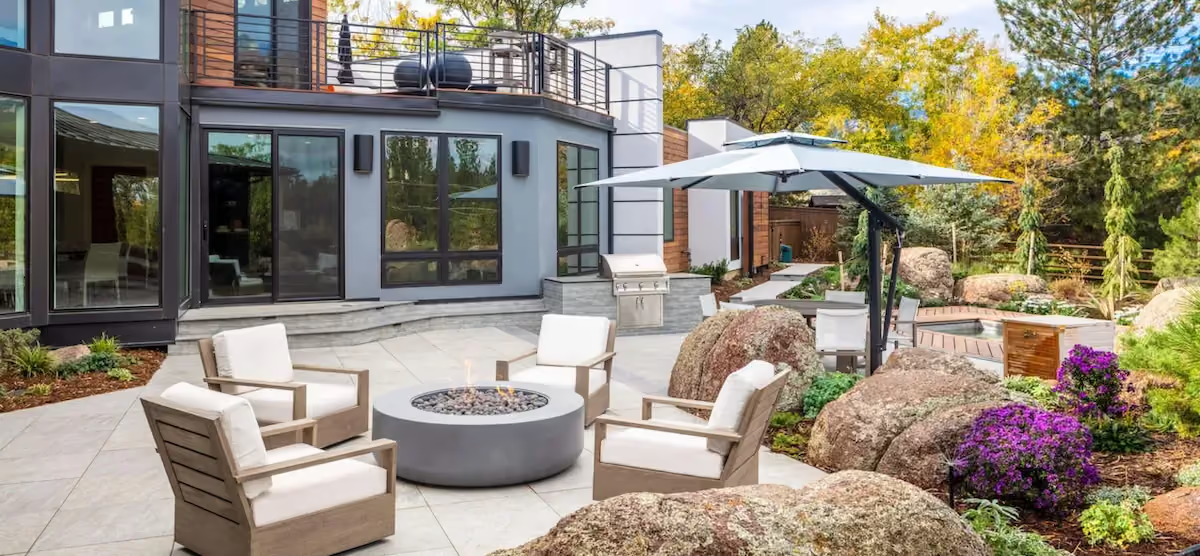
Naturalistic Boulder Gardens aim to recreate the appearance of natural outcrops. Larger stones get partially buried to look like bedrock emerging from the ground, with plants tucked into pockets and cascading over edges. This style works especially well on slopes and for integrating rock features into broader landscape designs.
Contemporary Rock Gardens use stone more architecturally, with clean lines, geometric arrangements, and dramatic contrasts between stone, gravel, and specimen plants. These pair well with modern homes and can create striking focal points without the traditional "cottage garden" feel.
The stone you choose determines whether your rock garden looks transplanted or native to the site.
Colorado Granite comes in the grays, pinks, and tans that define our mountain landscape. It's extremely durable, handles freeze-thaw cycles without cracking, and ranges from small cobbles to massive boulders. Moss rock granite, with its weathered surface and lichen patches, looks like it's been in place for centuries.
Local Sandstone in buff, red, and tan tones coordinates beautifully with the brick and stucco common in Front Range homes. It's softer than granite and will weather over time, which many find attractive. Just ensure it's not too porous for areas with heavy water contact.
Flagstone works well for crevice gardens and areas where you need relatively flat material. Pennsylvania bluestone is popular but doesn't look as natural here as locally sourced flagstone.
River Rock serves functional purposes in drainage swales and as mulch between larger stones, but rarely works as the primary material for a rock garden. The smooth, rounded shapes read as decorative rather than natural when piled together.
A general principle: stick with one primary stone type throughout your rock garden. Mixing granite boulders with sandstone flagstone with river rock creates visual chaos. Nature doesn't usually work that way.
The right location makes rock garden establishment easier and long-term success more likely.
Slopes offer ideal opportunities. The drainage is built in, the rocks look naturally settled, and you gain visual interest from the elevation changes. Even a gentle 15-degree slope makes a significant difference in both appearance and growing conditions. Many properties include challenging slopes that become assets when converted to rock gardens.
Sunny Exposures suit most rock garden plants, though you can create successful shade rock gardens with the right plant selection. A south or west-facing slope provides the maximum heat and light that alpine plants prefer.
Drainage Assessment should happen before any rocks arrive. If water pools in your intended area after rain, you'll need to address underlying drainage issues. Adding rock on top of poorly draining soil often makes problems worse, not better.
Soil Preparation depends on your existing conditions and plant choices. True alpine plants need lean, gritty soil with minimal organic matter. Mix native soil with coarse sand, pea gravel, or decomposed granite at roughly 50/50 proportions. Avoid compost-rich mixes that retain too much moisture and encourage lush growth that alpines can't sustain.
How you position rocks determines whether your garden looks intentional or haphazard. A few principles help.
Bury Your Boulders. At minimum, one-third of each large stone should sit below grade. This anchors them visually, prevents tippy or perched-looking placements, and creates the impression that the rock is part of the underlying geology rather than placed decoration. Larger boulders may need half or more buried for proper visual weight.
Work in Odd-Numbered Groups. Three or five boulders clustered together look more natural than pairs or evenly spaced arrangements. Leave irregular gaps between stones for planting pockets.
Let Stones Face the Same Direction. In natural outcrops, bedding planes and grain patterns run consistently. Study the stone you're working with and orient pieces so the lines flow together rather than fighting each other.
Place Largest Rocks First. These anchor the composition. Position them at the base of slopes or as focal points, then fill in with progressively smaller stones. This mimics how rock actually breaks down and tumbles over time.
Create Planting Pockets. The spaces between and behind rocks become prime growing locations. Design these intentionally, considering both the size needed for mature plants and the aspect each pocket faces.
The plant palette for Front Range rock gardens is remarkably diverse. These proven performers handle our conditions reliably.
Sedums and Sempervivums form the backbone of many rock gardens. Hens and chicks (Sempervivum) come in hundreds of varieties, from green rosettes to deep burgundy, and spread slowly to fill gaps. Creeping sedums like Dragon's Blood, Angelina, and various Sedum album varieties carpet ground between larger plants. All handle drought, poor soil, and temperature extremes.
Rocky Mountain Penstemon (Penstemon strictus) produces spikes of blue-purple flowers that hummingbirds love. It's native to our exact region and completely adapted to local conditions. Other penstemon species offer different colors and sizes.
Creeping Phlox provides early spring color, covering itself in pink, white, or purple flowers in April and May. It spills beautifully over rock edges and stays evergreen through winter.
Blue Grama Grass and other native grasses add movement and texture. They're completely adapted to our climate and provide winter interest when other plants have gone dormant.
Delosperma (ice plant) brings intense flower color from late spring through fall. Hardy varieties survive Colorado winters if drainage is sharp. The magenta, orange, yellow, and red flowers practically glow against stone.
Native Wildflowers like blanket flower, coneflower, yarrow, and black-eyed Susan connect your rock garden to the surrounding ecosystem while providing food for pollinators.
For shade rock gardens, shift to ferns, coral bells, hostas (with supplemental water), and woodland plants like bleeding heart and lungwort.
Crevice gardens deserve special mention for Colorado conditions. The technique creates microclimates that protect sensitive plants from our wet winters and temperature swings.
Construction involves setting thin stone slabs vertically with narrow gaps between them. These gaps get filled with extremely well-draining soil mix, typically 70-80% mineral material (sand, gravel, crusite) and only 20-30% organic matter. Plants go in bareroot, with roots tucked deep into the crevices.
The vertical stones channel water down to the root zone while keeping the plant crown dry. They shade roots during hot afternoons and release stored heat during cold nights. For anyone interested in growing challenging alpines or creating a truly distinctive garden feature, crevice gardens offer capabilities traditional rock gardens can't match.
Denver Botanic Gardens maintains several crevice gardens if you want to see the technique in action before committing.
Rock garden installation involves heavy materials and significant labor. Understanding the practical aspects helps with planning.
Weight and Access: Landscape boulders can weigh hundreds or thousands of pounds. Equipment access for delivery and placement affects what's possible on your site. Narrow side yards, finished lawns, and established landscapes all constrain options.
Cost Factors: Boulder and stone prices vary significantly based on type, size, and local availability. Delivery fees add up quickly given the weight involved. Installation labor for proper boulder placement typically requires machinery and experienced operators.
Timing: Late fall through early spring offers the best planting window for rock garden perennials in Boulder County. They establish roots during cool weather and are ready to handle summer heat. Avoid planting in July and August when even drought-tolerant plants struggle to establish.
Irrigation: Most established rock gardens need supplemental water only during extended drought once plants mature. However, new plantings require regular irrigation for the first full growing season. Drip irrigation works better than overhead sprinklers, which can keep foliage too wet.
Rock gardens are lower-maintenance than lawns or perennial borders, but they're not maintenance-free.
Weeding remains necessary, particularly in the first few years before plants fill in. The good news: sharp-draining soil discourages many common weeds, and rocks themselves suppress germination. Hand-pulling what emerges is usually sufficient.
Seasonal Cleanup involves removing dead foliage in early spring, cutting back perennials that get ratty, and refreshing gravel mulch if it's migrated or accumulated debris.
Division and Editing becomes necessary as some plants outgrow their spaces. Rock gardens evolve, and part of their charm is adjusting the composition over time as plants mature.
Winter Watering helps prevent desiccation during dry winter periods. Rock garden plants, especially evergreen sedums and conifers, need occasional water when snow cover is absent and temperatures rise above freezing.
Large boulder placement requires equipment most homeowners don't have and experience most homeowners lack. Stones dropped from a loader look dropped from a loader. Proper placement that mimics natural geology takes practice and an eye developed over many projects.
Slope stabilization with rock involves engineering considerations. Done poorly, heavy stones on slopes can shift, settle, or create new drainage problems. Done well, rock gardens actually stabilize slopes and reduce erosion.
Integration with broader landscape design benefits from professional planning. How does the rock garden connect to adjacent spaces? Where do paths go? How do you transition from rock garden to lawn or patio? These questions have better answers when considered comprehensively.
Plant selection and placement draw on knowledge that takes years to develop. Which plants will thrive in which microclimates within your specific garden? What combinations create year-round interest? How do you balance immediate impact with long-term success? Experience answers these questions more reliably than guesswork.
Green Landscape Solutions brings over two decades of experience creating rock gardens suited to Colorado’s unique conditions. Our design process considers your site's specific challenges, your aesthetic preferences, and the practical realities of installation and long-term care. We understand which stone sources provide quality material, which plants perform reliably, and how to place boulders so they look like they've always been there.
Contact us at (720) 468-0987 to discuss how a rock garden might transform a problem area into a landscape highlight, or to explore how stone can enhance your existing outdoor spaces.
