
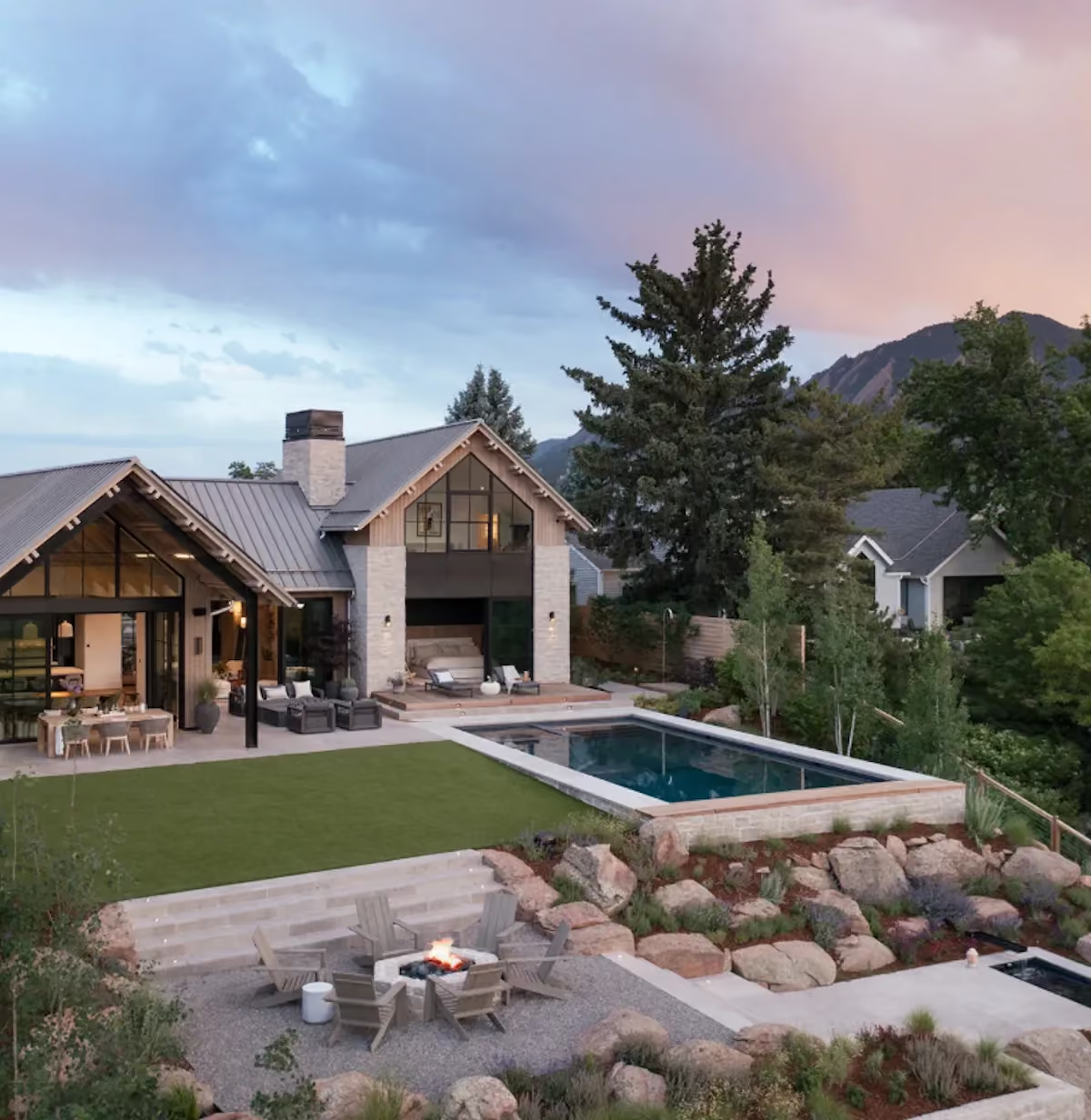

Design durable garden paths for Boulder County. Compare flagstone, pavers, and concrete for Colorado's freeze-thaw cycles. Expert walkway design guidance.


Lorem ipsum dolor sit amet, consectetur adipiscing elit. Suspendisse varius enim in eros elementum tristique. Duis cursus, mi quis viverra ornare, eros dolor interdum nulla, ut commodo diam libero vitae erat. Aenean faucibus nibh et justo cursus id rutrum lorem imperdiet. Nunc ut sem vitae risus tristique posuere.
The path to your front door tells visitors what to expect before they even knock. A crumbling concrete walkway sends one message. A well-designed flagstone approach with softening plantings sends quite another. But beyond first impressions, garden paths shape how you actually use your outdoor space, whether you stroll through it daily or avoid it entirely.
Boulder County's climate adds specific challenges that paths in milder regions don't face. Our freeze-thaw cycles crack inferior materials. Intense high-altitude sun fades certain pavers. Winter snow removal demands surfaces that won't shift or heave. Getting these details right matters more here than in most places.
Before choosing materials or laying out curves, consider what you actually need from a path.
Primary paths connect high-traffic destinations: front door to driveway, back door to patio, garage to house. These need to be wide enough for two people to walk side by side (48 inches minimum, 60 inches if space allows), built from stable materials that handle wheeled carts and strollers, and easy to clear of snow. Primary paths should follow the most direct route unless there's a compelling reason to do otherwise. Visitors walking to your front door don't want to meander through a garden. They want to arrive.
Secondary paths lead to less-frequented destinations: vegetable garden, fire pit, shed, quiet seating area. These can be narrower (36 inches works fine), use softer materials, and follow more relaxed routes. A secondary path that curves around a planting bed creates interest in ways a straight shot wouldn't.
Tertiary paths are really just beaten tracks through garden areas, stepping stones across lawn, or informal routes you use but guests might not notice. These barely count as constructed paths and can be as simple as a few well-placed stones.
The hierarchy matters because different paths demand different treatments. Using expensive mortared flagstone for a utility path to the compost bin wastes money. Using cheap pea gravel for your front walkway creates maintenance headaches and looks underwhelming.
Not every path material performs equally in Boulder County conditions. Here's what works and what struggles.
Natural flagstone remains the gold standard for Boulder County paths, and for good reason. Local stone in buff, tan, and warm red tones looks like it belongs here. The irregular shapes create visual interest. Properly installed flagstone handles freeze-thaw cycles without cracking. And the textured surface provides traction in wet or icy conditions.
Flagstone can be installed several ways. Dry-set in sand or crusher fines costs less and allows some flexibility as the ground shifts, but stones may rock or shift over time and weeds can grow in joints. Mortared on a concrete base costs more but creates a permanent, stable surface with no weed issues. The best choice depends on your path's location, traffic level, and budget.
One caution: not all flagstone is equal. Thin pieces (under 1.5 inches) crack under foot traffic. Softer sandstones weather quickly. Source stone from reputable Colorado suppliers who understand local conditions.
Modern concrete pavers bear little resemblance to the boring gray rectangles of decades past. Current options include tumbled finishes that mimic aged stone, colors that coordinate with Colorado's natural landscape, and shapes that create intricate patterns.
Pavers excel in freeze-thaw environments because they're manufactured to specific density and strength standards. If one cracks (rare), you can pop it out and replace just that piece. The interlocking design creates a stable surface that flexes slightly with ground movement rather than cracking like poured concrete.
The main limitation is aesthetic. Despite improved designs, pavers still read as manufactured rather than natural. For contemporary homes or areas where you want clean, uniform lines, that's fine. For properties where you're after a natural, timeless look, flagstone typically works better.
Traditional poured concrete paths have a deserved reputation for cracking in Colorado. Our dramatic temperature swings, expansive clay soils, and deep frost penetration stress concrete more than it can handle. Within a few years, most poured concrete paths develop cracks that widen over time.
That said, properly engineered concrete with adequate reinforcement, appropriate control joints, and sufficient base preparation can last. The emphasis is on "properly engineered." This means thicker slabs than standard, reinforcement fiber or rebar, expansion joints at regular intervals, and a compacted base extending below frost depth. Most residential concrete installers cut corners on these specifications.
Decorative options like stamped patterns, exposed aggregate, and integral color can make concrete more visually interesting, but they don't change the underlying durability concerns. And stamped concrete can become slippery when wet or icy.
Loose aggregate paths offer significant cost savings and excellent drainage. Crusher fines (decomposed granite or similar) pack relatively firmly and provide stable footing. Pea gravel stays looser but offers a pleasing crunch underfoot.
The downsides are real, though. Gravel migrates. It kicks into planting beds, scatters onto lawn, and tracks into houses. Snow removal becomes complicated because shovels and snowblowers move gravel along with snow. And in Boulder County's variable weather, puddles can form on poorly draining gravel that then freeze into ice patches.
Gravel works best for secondary and tertiary paths in garden areas where these limitations matter less. It's less appropriate for primary paths to entries or high-traffic areas.
Large stepping stones set in lawn, gravel, or groundcover plants create an informal, natural effect. They work beautifully for secondary paths through garden areas and can handle light traffic to destinations like fire pits or meditation spots.
Practical considerations: stones need to be large enough (minimum 18 inches in the direction of travel) and spaced for natural stride length so users don't have to look down and calculate each step. Stones should be level with or slightly above the surrounding surface for easy mowing and minimal tripping hazard. And they need enough mass to stay put. Thin decorative stepping stones shift and rock. Substantial pieces stay where you put them.
Environmental concerns increasingly influence path material choices. Traditional impermeable surfaces send rainwater rushing off your property, contributing to stormwater runoff and denying your landscape the moisture.
Several permeable options exist. Permeable pavers include spaces between units that allow water infiltration. Gravel and crusher fines are naturally permeable. Stepping stones with ground cover between them permit infiltration. And newer porous concrete and asphalt products allow water to pass through the material itself.
Boulder County's semi-arid climate makes water infiltration particularly valuable. Every drop that soaks into your soil rather than running into storm drains helps your plants and reduces irrigation needs.
Beyond material selection, how you design and position paths affects both function and appearance.
Undersized paths feel cramped and uncomfortable. You end up walking single-file even with plenty of room in your yard. Two people can't stroll side by side. And narrow paths look like afterthoughts rather than intentional design elements.
For primary paths, 48 inches should be the minimum, and 60 inches is better. This allows two people to walk together, accommodates wheelchairs and strollers if needed, and provides visual weight proportional to your house. Narrower paths look skimpy next to most homes.
Secondary paths can drop to 36-42 inches. Tertiary paths through garden beds might be 24-30 inches if they're truly just for your own occasional use.
Straight paths from street to door read as utilitarian at best, unwelcoming at worst. A gentle curve creates a more gracious approach and allows space for planting beds that soften the journey.
The key word is "gentle." Paths that wiggle dramatically look arbitrary and force awkward navigation. A single sweeping curve or a subtle S-bend adds interest without creating an obstacle course. The curve should have an obvious reason, even if that reason is simply to pass around a tree or planting bed you've created.
Curved paths also make small front yards feel larger by preventing visitors from seeing the entire space at once. The progression around each curve reveals new views, creating a sense of journey even in modest spaces.
Paths and plants should work together, not compete. Low plantings along path edges soften the hard lines of stone or pavers. Taller plants at key points create gateways and destinations. Fragrant herbs planted where they'll be brushed by passing feet release their scent.
In Boulder County, path-edge plants need to handle our conditions: intense sun, limited water once established, and winter cold. Good options include low-growing sedums, creeping thyme, blue grama grass, and compact native perennials. Avoid plants that flop over paths or require constant cutting back to maintain clearance.
Paths you can't see at night are paths you won't use at night. Low-voltage LED lighting along walkways improves safety and extends outdoor living hours through summer evenings and winter early darkness.
Effective path lighting illuminates the walking surface without blinding users or creating pools of harsh light. Fixtures with shielded bulbs or indirect light work better than exposed bulbs. Spacing should provide consistent illumination without alternating bright and dark zones.
Solar path lights offer easy installation but often disappoint with dim output and short battery life in winter's limited daylight. Wired low-voltage systems cost more upfront but provide reliable, consistent performance.
Boulder County's winters demand specific path considerations that don't apply in milder climates.
Snow removal becomes complicated with loose materials like gravel that mix with snow when shoveled. Smooth surfaces (pavers, flagstone) clear more easily than textured ones. And path width affects whether you can effectively use a snow blower or need to hand-shovel.
Traction varies dramatically between materials. Smooth poured concrete can become skating rinks when icy. Textured flagstone and pavers provide better grip. Some homeowners apply sand or ice melt products, though repeated salt use can damage certain stones and surrounding plants.
Freeze-thaw durability separates materials that last from materials that fail. Poor-quality stone, thin flagstone, and standard concrete typically crack within a few seasons. Quality materials properly installed handle our conditions for decades.
Snow storage needs attention during path planning. Where does shoveled snow go? Paths bordered by planting beds need enough width that snow can pile along edges without burying plants. And consider how snow melt runs off. Paths that channel snowmelt toward your foundation create problems.
Experience reveals patterns in what goes wrong with garden paths.
Undersizing is probably the most common error. Paths that look adequate on paper feel cramped in reality. When in doubt, go wider.
Wrong material for location creates ongoing headaches. Gravel at entries tracks into houses. Smooth concrete in shaded areas grows slippery moss. Cheap thin flagstone on primary paths cracks under use.
Poor base preparation dooms even quality materials. Pavers and flagstone need compacted base material extending below frost depth. Skipping this step saves money initially but guarantees movement and failure later.
Ignoring drainage creates puddles, ice, and accelerated deterioration. Paths should shed water to their edges, and the areas receiving that runoff need to handle it without pooling.
Fighting natural traffic patterns ensures your path gets ignored while users create their own routes through planting beds. Watch where people actually walk before finalizing path locations.
Simple gravel paths through garden areas fall within most homeowners' capabilities. But primary paths, especially mortared stone or paver installations, benefit from professional installation.
The reasons are practical. Heavy materials require equipment. Proper base preparation demands experience to get right. And mistakes are expensive to fix once materials are in place.
When selecting a contractor, look for specific hardscape experience rather than general landscaping capability. Ask about their approach to base preparation, especially how they handle Boulder County's freeze-thaw conditions. And request references from paths installed at least five years ago so you can see how their work holds up over time.
Quality path installation isn't cheap. Paths are among the most-used landscape features. You'll walk them daily for years. The investment in materials and installation that perform well pays dividends in function, appearance, and avoided repairs.
Green Landscape Solutions has been designing and installing paths throughout Boulder County for over two decades. We understand which materials perform in our specific conditions, how to build bases that prevent freeze-thaw damage, and how to design paths that enhance rather than detract from your landscape. Our team includes an ASLA-credentialed landscape architect who considers paths as integral elements of overall landscape design, not afterthoughts.
If you're ready to transform how you move through your outdoor space, we'd welcome the chance to discuss your project. Contact us at (720) 468-0987 to schedule an on-site consultation.
