
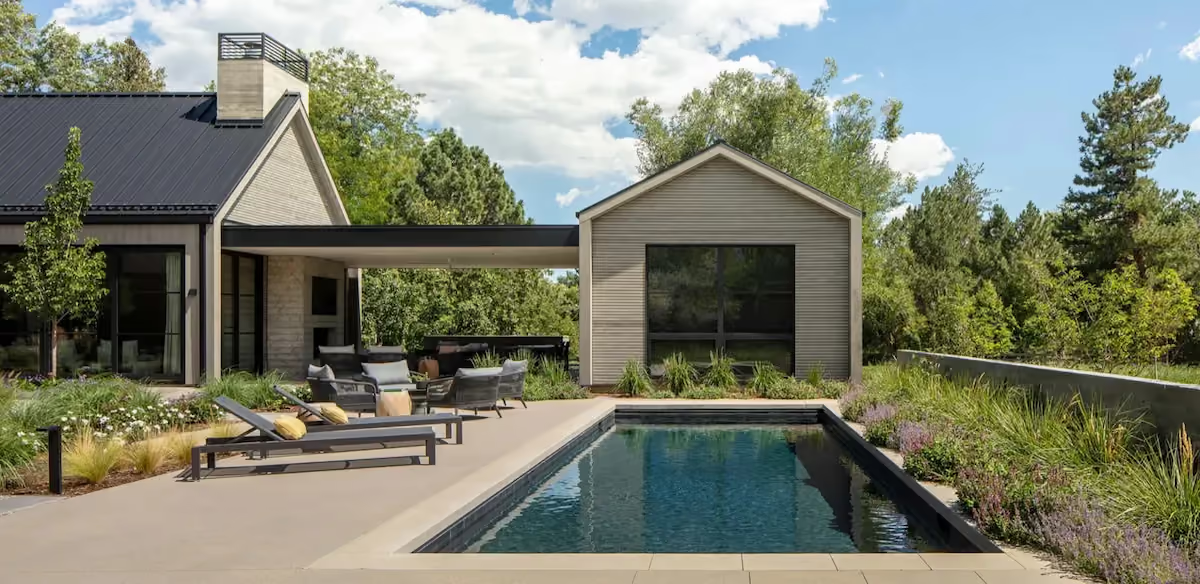

Discover xeriscape design solutions for Boulder County homes. Create beautiful, water-wise landscapes that thrive in Colorado's climate. Expert design tips.


Lorem ipsum dolor sit amet, consectetur adipiscing elit. Suspendisse varius enim in eros elementum tristique. Duis cursus, mi quis viverra ornare, eros dolor interdum nulla, ut commodo diam libero vitae erat. Aenean faucibus nibh et justo cursus id rutrum lorem imperdiet. Nunc ut sem vitae risus tristique posuere.
Water is precious along the Front Range. With our semi-arid climate, unpredictable precipitation, and growing awareness of wildfire risk, more Colorado homeowners are rethinking what a beautiful landscape looks like. The answer for many is xeriscape design, a sustainable approach that reduces water use while creating outdoor spaces that are vibrant, functional, and perfectly suited to our environment.
Xeriscaping doesn't mean replacing your lawn with a boring pile of rocks. Done well, these landscapes burst with color, support local wildlife, and require far less maintenance than traditional turf-heavy yards.
Xeriscape is a landscaping method designed specifically for arid and semi-arid climates. The approach focuses on water efficiency, but it goes beyond just plant selection. It considers soil preparation, efficient irrigation, appropriate mulching, and thoughtful design that works with your site's natural conditions rather than against them.
The result is a landscape that looks intentional, performs well through Colorado's temperature extremes, and dramatically reduces your outdoor water consumption. According to Colorado State University Extension, a well-designed xeriscape can cut irrigation needs by 50-75% compared to traditional landscapes.
There's no single way to approach xeriscape design. The style can range from minimalist and modern to lush and maximalist. Here are approaches that Colorado homeowners are using successfully.
One of the biggest misconceptions about xeriscaping is that it lacks color. In reality, drought-tolerant perennials can provide vibrant seasonal interest throughout the growing season. The key is choosing plants with staggered bloom times so you have continuous color from spring through fall.
Blanket flower, salvia, and yarrow are reliable performers that thrive in our conditions. Mix silver-leafed plants and bold foliage shapes with your flowering perennials for contrast that holds visual interest even when blooms fade.
Xeriscape gardens can do double duty as habitat for pollinators and native wildlife. Dense plantings of nectar-rich flowers, shallow water sources, and natural shelters like logs and rocks create welcoming environments for bees, butterflies, and birds.
Plants like milkweed, penstemon, and black-eyed Susan attract pollinators while requiring minimal supplemental water once established. Adding a bee hotel or birdbath enhances habitat value and creates focal points in your design.
Water-wise landscaping pairs beautifully with outdoor seating and gathering areas. Permeable patios surrounded by fragrant drought-tolerant plants create comfortable spaces for relaxation without the water demands of surrounding turf.
Consider shade trees positioned to protect seating areas during peak afternoon sun. Columnar junipers and sturdy shrubs can provide wind protection. Fragrant plants like chocolate flower and drought-tolerant herbs add sensory appeal.
Gravel, flagstone, or permeable paver paths serve practical purposes while contributing to the overall design aesthetic. These materials allow water to infiltrate rather than running off, reducing erosion and making the most of every rainfall.
Border paths with creeping thyme, stonecrop, or ornamental grasses to soften edges and add texture. The contrast between hard pathway materials and soft plantings creates visual interest.
Managing stormwater on your property through rain gardens and bioswales captures water that would otherwise run off and puts it to work in your landscape. These features use gentle curves to slow water movement, allowing it to soak into the soil where plants can access it.
Beyond water management, these elements add visual appeal with naturalistic plantings. Blue grama grass, milkweed, and Siberian iris tolerate the wet-dry cycles typical of rain garden conditions.
Lawn removal is often the starting point for xeriscape conversion. Traditional Kentucky bluegrass lawns demand frequent watering, mowing, and chemical inputs to look their best in Colorado's climate. Replacing some or all of your turf with drought-tolerant alternatives can transform both the appearance and water use of your property.
Options include native buffalo grass, spreading groundcovers like stonecrop and ice plant, or wildflower meadows that require mowing just once or twice per year. Stepping stones or decorative rocks add visual variety and provide access through planted areas.
One important consideration: mature trees in former lawn areas will still need water even after grass removal. Some species can be gradually weaned off supplemental irrigation, but the transition should be managed carefully to avoid stressing established trees.
Gravel mulch is common in Colorado xeriscapes, and for good reason. A four-inch layer suppresses weeds, retains soil moisture, and improves rainwater infiltration. Larger accent rocks placed strategically add visual texture and can serve as focal points.
Gravel does increase soil temperature, which can benefit plants in cooler areas like Fort Collins but may stress plants in hotter microclimates. Leave open spaces between rocks for small plants to establish naturally over time.
For properties in wildfire-prone areas, xeriscape design aligns well with fire-wise landscaping principles. Many drought-tolerant plants have characteristics that reduce fire risk, such as higher moisture content in foliage and lower volatile oil levels compared to some ornamental species.
Creating defensible space with gravel mulch, stone pathways, and appropriately spaced plantings of fire-resistant species addresses both water conservation and safety concerns simultaneously.
A successful xeriscape begins with understanding your site. Note sun exposure patterns, existing drainage, soil conditions, and how you want to use different areas of your property. This assessment guides plant selection and helps you create distinct hydrozones, grouping plants with similar water needs together for efficient irrigation.
Many Colorado water utilities offer rebates for lawn removal and xeriscape conversion. Check with your local provider about available incentives before you begin.
Creating a cohesive xeriscape that balances beauty, function, and sustainability takes thoughtful planning. At Green Landscape Solutions, we specialize in water-wise design that works with Colorado's unique climate challenges. Our team understands which plants thrive in our alkaline soils, how to manage our intense sun exposure, and how to create landscapes that look beautiful year-round while dramatically reducing water use.
Contact us today to discuss how xeriscape design can transform your property into a sustainable, low-maintenance landscape you'll enjoy for years to come.
Not necessarily. Water-wise landscaping can include functional turf areas where they make sense, such as play spaces for children or pets. The goal is right-sizing your lawn and choosing drought-tolerant grass varieties like buffalo grass for areas where you do want turf.
A well-designed xeriscape includes plants with year-round interest. Ornamental grasses provide winter texture, evergreen shrubs maintain structure, and seed heads left on perennials add visual appeal while feeding birds through the cold months.
Most drought-tolerant plants need regular watering during their first one to two growing seasons while roots establish. After that establishment period, they require significantly less supplemental irrigation and become increasingly resilient.
Initial costs can be comparable or slightly higher, depending on the design. However, reduced water bills, lower maintenance requirements, and fewer plant replacements typically make xeriscaping more economical over time.
Many HOAs in Colorado now welcome or even encourage water-wise landscaping. Some communities have updated their guidelines to support xeriscape conversions. Check your specific HOA requirements and consider sharing examples of attractive xeriscape designs to demonstrate that drought-tolerant landscapes can enhance curb appeal.
