
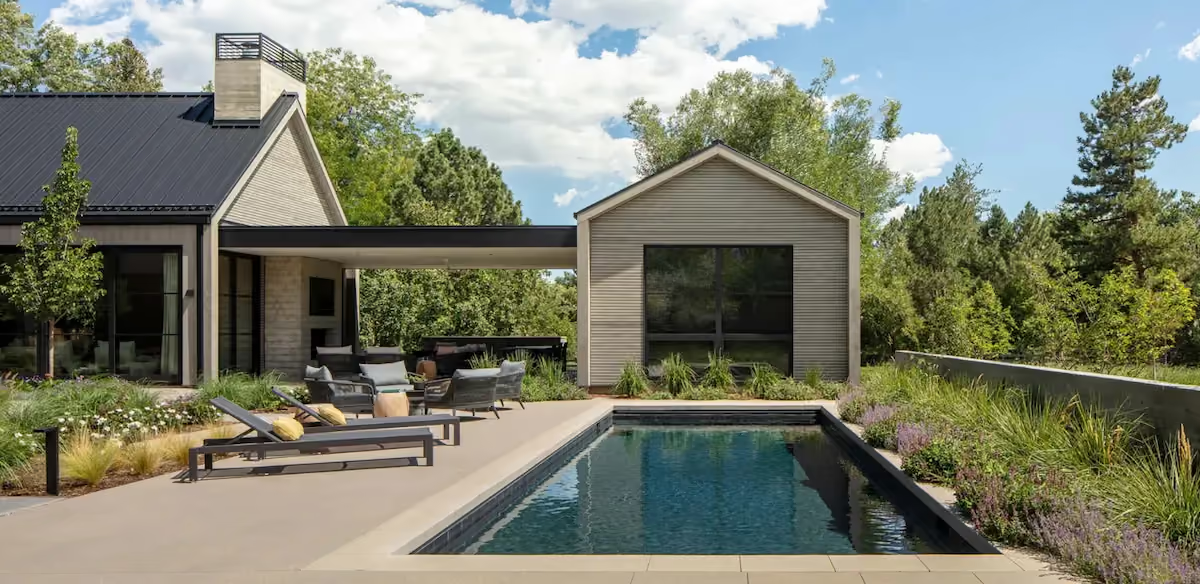

Outdoor design in 2026 is moving toward intentional, nature-focused spaces that work smarter, not harder—blending native plants, functional outdoor rooms, and climate-resilient choices that reflect how we actually want to live outside.


Lorem ipsum dolor sit amet, consectetur adipiscing elit. Suspendisse varius enim in eros elementum tristique. Duis cursus, mi quis viverra ornare, eros dolor interdum nulla, ut commodo diam libero vitae erat. Aenean faucibus nibh et justo cursus id rutrum lorem imperdiet. Nunc ut sem vitae risus tristique posuere.
The way we think about outdoor spaces is shifting. Gardens and landscapes are becoming more than just pretty backdrops. They're turning into places that reflect how we want to live, what we value, and how we connect with the natural world around us.
Here's a look at the trends shaping outdoor design in 2026 and what they might mean for your property.
One of the biggest shifts happening in garden design is a move toward working with local ecosystems rather than fighting them. This means choosing plants that actually belong in your region and support local wildlife.
Keystone plants are getting a lot of attention right now. These are native species that do the heavy lifting when it comes to supporting pollinators and other wildlife. Research by entomologist Dr. Doug Tallamy found that just 14% of native plants support about 90% of butterfly and moth species. Trees like oaks, willows, and birches fall into this category, along with shrubs like elderberries and perennials like goldenrod and milkweed.
For Colorado homeowners, this trend aligns well with our climate challenges. Native and adaptive plants require less water, fewer chemicals, and less overall maintenance once they're established.
Not everyone has time for a high-maintenance landscape. That's why the "Sunday garden" concept is gaining traction. These are spaces designed for relaxation and easy upkeep rather than constant fussing.
According to trend forecasters at Monrovia Nursery, this style combines "tidy bones" with a touch of romance. Think structured hedges and interesting foliage paired with climbing roses or jasmine. The goal is a garden that feels elegant but doesn't demand your entire weekend.
The line between indoor and outdoor living continues to blur. But the 2026 approach goes beyond just adding a patio set outside. Designers are now thinking about outdoor spaces the way architects think about interior rooms, with intentional zones for cooking, lounging, dining, and even wellness.
Pergolas with adjustable louvers are becoming popular for extending the usable season of outdoor spaces. Fire features remain a centerpiece for gathering areas. And outdoor kitchens are evolving from basic grills into full culinary setups with dedicated prep, cooking, and cleanup zones.
The key difference from previous years is restraint. Fewer materials, more continuity, and designs that feel intentional rather than pieced together over time.
If you've been playing it safe with soft pastels and muted tones, 2026 might be the year to experiment. Rich jewel tones are making a comeback in garden design. Deep reds, velvety plums, burgundies, and emerald greens are showing up in new plant introductions.
Beyond aesthetics, there's a practical reason for this shift. Unlike pastels that can look washed out in bright sunlight, saturated colors hold their intensity throughout the day and into the season.
Weather patterns are changing, and gardens are adapting. At the RHS Chelsea Flower Show, the gold medal-winning "Garden of the Future" showcased vegetables like chickpeas, sweet potatoes, and millet that thrive in tough conditions. While these specific crops might not be on every homeowner's wish list, the underlying message is clear: choosing plants that can handle temperature swings and water restrictions makes sense.
For Front Range gardens, this reinforces what many Boulder County homeowners already know. Water-wise design isn't just responsible; it's practical.
Sometimes the most calming outdoor spaces aren't the most colorful. Gardens focused primarily on foliage in varying shades of green are trending as peaceful retreats from an overstimulating world.
The secret to making an all-green garden interesting is layering different textures, shapes, and shades. Chartreuse ornamental grasses against deep green hostas, with feathery ferns filling in the gaps. The result feels lush and restful without relying on flowers for visual interest.
Smart technology is finding its way into outdoor spaces, but the best implementations are the ones you barely notice. Automated irrigation, app-controlled lighting, and even AI-powered plant care systems are becoming more common. At Chelsea Flower Show, one garden even featured sensors that track plant health and provide care recommendations.
The trend here isn't about adding gadgets for their own sake. It's about systems that make outdoor spaces more comfortable and easier to maintain without becoming the focal point.
Trends come and go, but the best outdoor spaces are designed around how you actually want to use them. Whether you're drawn to the low-maintenance appeal of a Sunday garden or interested in creating distinct zones for entertaining and relaxation, the common thread is intentionality.
The most lasting landscapes combine what's current with what's timeless. Native plants, thoughtful hardscaping, and designs that respond to your local climate will serve you well regardless of what's trending in any given year.
At Green Landscape Solutions, we help Boulder County homeowners create outdoor spaces that look beautiful today and continue to perform for years to come. Our team combines design expertise with deep knowledge of Colorado's unique growing conditions to deliver landscapes that fit your lifestyle and your property.
Contact us today to schedule a consultation and explore what's possible for your outdoor space.
The top trends include native keystone plantings that support local wildlife, low-maintenance "Sunday gardens," outdoor spaces designed as functional rooms, bold jewel-tone colors, and climate-resilient plant choices that handle temperature swings and water restrictions.
A Sunday garden is a landscape designed for relaxation rather than constant upkeep. It features structured elements like hedges and interesting foliage paired with romantic touches like climbing roses, creating an elegant space that doesn't demand your entire weekend to maintain.
Keystone plants are native species that support a disproportionate amount of local wildlife. Research shows that just 14% of native plants support about 90% of butterfly and moth species. Adding keystone plants like oaks, elderberries, or milkweed to your landscape has an outsized positive impact on your local ecosystem.
Not at all. Deep reds, plums, burgundies, and emerald greens actually perform better than pastels in bright sunlight because they hold their intensity throughout the day. They add drama and sophistication without looking washed out during peak sun hours.
Choose plants adapted to your local conditions, prioritize native and drought-tolerant species, and design with water conservation in mind. Plants that can handle temperature swings and occasional dry spells will look better long-term and require less intervention from you. contact us today 720-468-0987
