
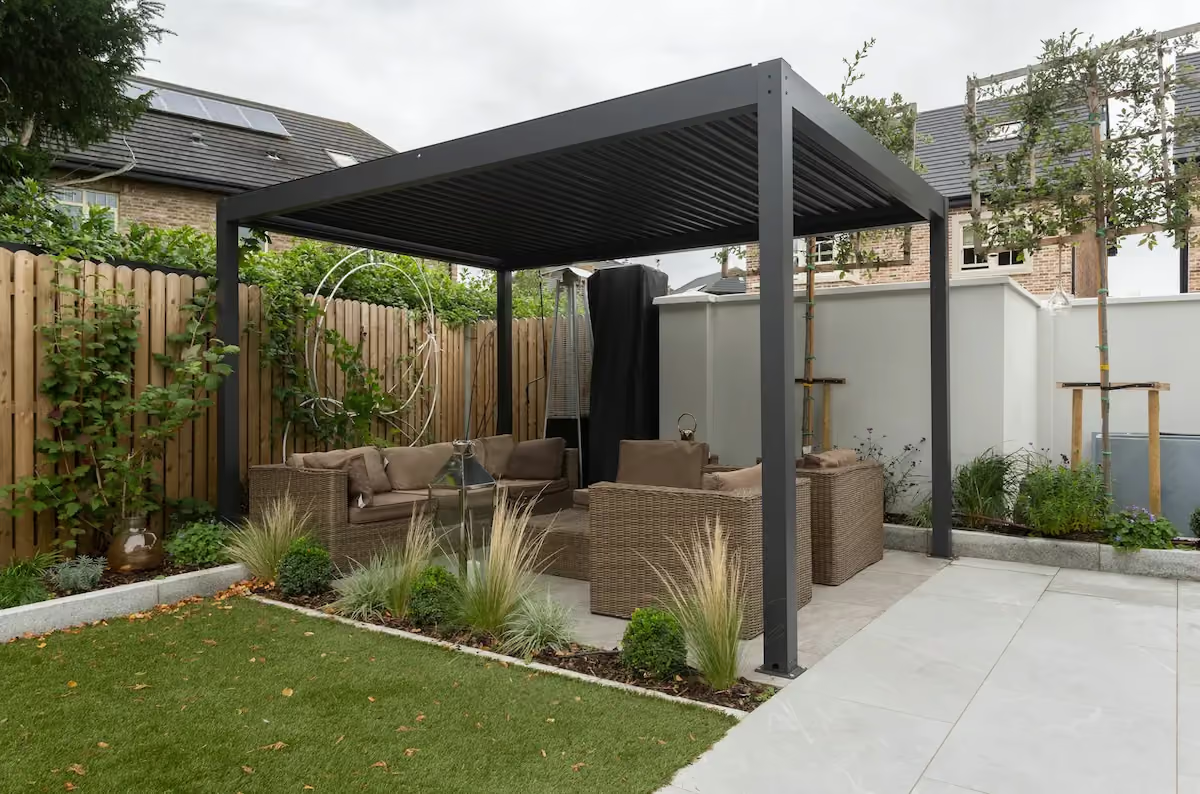

A covered patio transforms your outdoor space from a seasonal luxury into a year-round retreat that stands up to Colorado's intense sun, sudden storms, and temperature swings.


Lorem ipsum dolor sit amet, consectetur adipiscing elit. Suspendisse varius enim in eros elementum tristique. Duis cursus, mi quis viverra ornare, eros dolor interdum nulla, ut commodo diam libero vitae erat. Aenean faucibus nibh et justo cursus id rutrum lorem imperdiet. Nunc ut sem vitae risus tristique posuere.
Your patio is the heart of outdoor living during summer. But for much of the year, Colorado's intense sun, unpredictable weather, and chilly temperatures can limit how much time you actually spend out there. A covered patio changes that equation, transforming an occasional hangout spot into a true extension of your home that works in nearly any season.
Whether you want shade from our high-altitude sun, shelter from afternoon thunderstorms, or a cozy space to enjoy crisp fall evenings, there are plenty of ways to add cover to your outdoor living area. Here are ideas that work well for Colorado homes.
Pergolas have become the go-to option for covered patios, and for good reason. These structures provide partial shade while maintaining an open, airy feel that connects you to the outdoors. They work equally well attached to your home or as freestanding structures elsewhere in the yard.
Traditional pergolas feature wooden beams and rafters with an open lattice roof. The slats filter sunlight, creating dappled shade that feels comfortable without blocking your view of the sky. You can enhance the coverage by training climbing plants like wisteria, clematis, or climbing roses along the structure, creating a living canopy that adds beauty and additional shade as it matures.
For Colorado's variable weather, louvered pergolas offer an upgrade worth considering. These modern designs feature adjustable slats that can be opened or closed with the flip of a switch. When the sun is intense, close the louvers for full shade. When clouds roll in or you want to stargaze, open them up. Many louvered systems also channel rainwater away from your seating area, keeping you dry during those quick summer storms.
If you want complete protection from sun and rain, a solid patio cover might be the better choice. These structures typically feature a roof that matches or complements your home's architecture, creating a seamless transition from indoor to outdoor space.
Attached patio covers extend directly from your home's exterior wall, using the existing structure for support on one side. This creates a natural flow between inside and outside, especially when positioned near kitchen or living room doors. The covered area feels like an additional room rather than a separate structure.
Materials range from traditional wood construction to low-maintenance aluminum and vinyl options. In Colorado, durability matters. Choose materials rated to handle our freeze-thaw cycles, intense UV exposure, and occasional heavy snow loads.
A gazebo offers complete coverage in a freestanding structure that can be placed anywhere in your yard. This flexibility makes gazebos ideal for creating a destination space away from the house, perhaps near a garden, by a fire pit, or overlooking a view.
Gazebos come in various shapes, from traditional octagonal designs to modern rectangular structures. Most feature solid roofs and can include screens or curtains for additional protection from insects and wind. For Colorado properties, a gazebo creates a sheltered retreat that extends your outdoor season significantly.
Retractable awnings offer flexibility that fixed structures cannot match. When you want shade, extend the awning. When you want full sun or need to protect the fabric from wind or snow, retract it. This adaptability makes awnings particularly practical for Colorado's changeable conditions.
Modern retractable awnings include sensors that automatically retract when wind speeds get too high, protecting the mechanism from damage. Some homeowners find this the perfect compromise between having coverage when needed and maintaining an unobstructed patio when conditions allow.
Installation is relatively straightforward since awnings attach directly to your home's exterior wall. They work well for existing patios where adding a permanent structure might be complicated or costly.
Fabric sail shades offer a contemporary look that complements modern architecture. These triangular or rectangular fabric panels stretch between mounting points, creating sculptural shade elements that feel artistic as well as functional.
Sail shades work best in locations protected from high winds. In Colorado, consider mounting them where they can be removed before winter or during particularly stormy periods. When conditions are right, they provide effective shade with a clean, minimalist aesthetic.
For those who want shade that feels completely natural, training climbing plants over a pergola or arbor structure creates a living canopy. This approach takes time but rewards patience with beauty that no manufactured cover can match.
In Colorado, choose climbing plants suited to our climate. Climbing roses, clematis, trumpet vine, and Virginia creeper all perform well here. The coverage increases as plants mature, eventually providing substantial shade while adding flowers, fragrance, and habitat for pollinators to your outdoor space.
When planning a covered patio in Colorado, keep these regional factors in mind.
Sun exposure matters more here than in many other places. Our high altitude means more intense UV radiation, so effective shade becomes essential for daytime comfort. Position your cover to block the most intense afternoon sun from the west and southwest.
Snow load is a real consideration. Any permanent structure needs to be engineered to handle the weight of accumulated snow. Louvered pergolas with adjustable slats can be opened to allow snow to fall through, while solid roofs need adequate pitch and structural support.
Wind can be significant, particularly along the Front Range. Consider how exposed your patio location is and choose a cover system that can handle or adapt to windy conditions.
Finally, think about how the cover integrates with your overall landscape design. The best covered patios feel like natural extensions of both the home and the surrounding outdoor environment rather than afterthoughts.
A cover is just the starting point. To truly extend your outdoor living season, consider adding elements that increase comfort in variable conditions.
Outdoor heaters, whether freestanding propane units or built-in gas heaters, allow you to use covered patios comfortably well into fall and even through mild winter days. A fire pit or outdoor fireplace creates warmth and ambiance while serving as a natural gathering point.
Ceiling fans improve comfort during hot weather by keeping air moving under your cover. Many modern outdoor fans include lights, addressing two needs with one fixture.
Outdoor curtains or screens add flexibility, allowing you to block wind, create privacy, or enclose the space more completely when conditions warrant.
A covered patio represents a significant investment in your property. Getting the design right means the structure complements your home's architecture, functions well for how you actually use the space, and holds up to Colorado's demanding climate for years to come.
At Green Landscape Solutions, we design and build covered patio structures as part of comprehensive outdoor living spaces. Our team considers how shade, seating, cooking areas, and landscaping work together to create cohesive environments that extend your living space outdoors.
Contact us today to discuss how a covered patio could transform your outdoor living experience.
What type of patio cover is best for Colorado weather? Louvered pergolas offer the most flexibility, allowing you to adjust for sun, shade, and precipitation. For complete weather protection, solid roof structures engineered for local snow loads work well. The best choice depends on your specific site conditions and how you plan to use the space.
How much does a covered patio cost? Costs vary widely based on size, materials, and complexity. Simple shade sails might cost a few hundred dollars, while a fully equipped pergola with lighting and fans can run several thousand. Custom-built solid roof structures with premium finishes represent a larger investment. A professional consultation can provide accurate estimates for your specific project.
Do I need a permit to build a patio cover? In most communities, permanent patio structures require building permits. Requirements vary by municipality and depend on factors like size, attachment to the home, and whether electrical work is included. Your contractor should handle permit applications as part of the project.
Can I add a cover to my existing patio? Yes, most existing patios can accommodate a cover. The key considerations are the condition of the existing patio surface, available attachment points on your home if you want an attached structure, and whether the location allows for proper drainage and structural support.
How do I maintain a covered patio structure? Maintenance depends on materials. Wood structures need periodic sealing or staining to protect against UV damage and moisture. Aluminum and vinyl covers require occasional cleaning but little else. Fabric elements like awnings and sail shades should be cleaned and stored properly during winter months. For more questions contact us today. 720-468-0987.
